Understanding the Future of Work in an Automated World
As automation continues to evolve, the nature of work is undergoing significant changes. By simplifying workflows and reducing manual tasks, automation is reshaping the workplace landscape. This article delves into the implications of automation for the future of work, providing insights on how individuals and organizations can adapt.
Defining Automation in the Workplace
Automation refers to the use of technology to perform tasks without human intervention. This can include everything from software that automates data entry to advanced robotics in manufacturing. According to research from McKinsey, approximately 60% of all jobs could have at least 30% of their activities automated, which indicates a profound shift in traditional work roles and responsibilities.
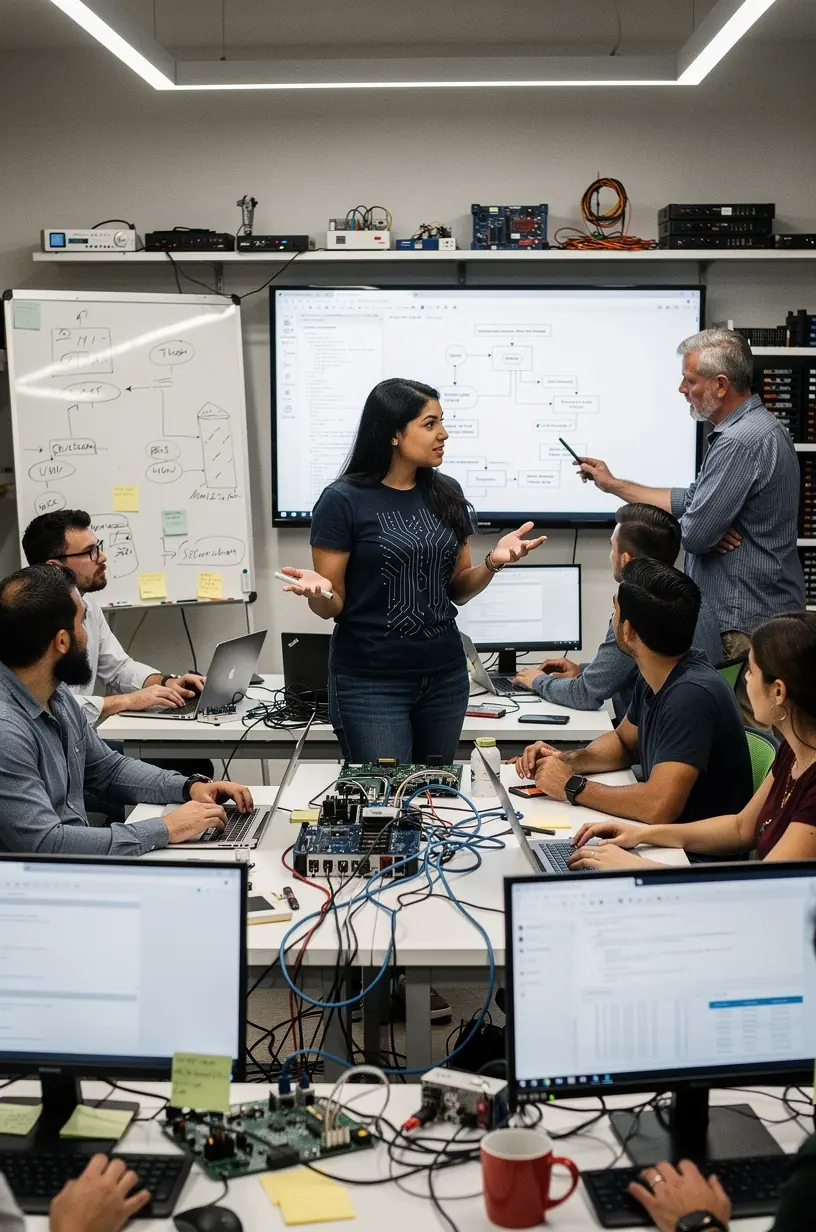
"The real promise of automation lies in its ability to free humans from repetitive tasks, allowing them to focus on strategic and creative aspects of their jobs." - Industry Experts
The Impact of Automation on Workforce Dynamics
As automation becomes more prevalent, it is essential to understand its impact on workforce dynamics. Here are several key considerations:
- Job Redefinition: Many positions will evolve, with employees focusing more on oversight and strategic functions rather than routine manual tasks.
- Skill Development: Workers may need to develop new skills, particularly in technology and data analysis, to remain relevant in an automated environment. This often involves a learning curve but can significantly enhance career prospects.
- Increased Productivity: Studies show that workplaces that incorporate automation can experience productivity increases of 20-30%. The efficiency gained allows organizations to reallocate resources toward innovation and growth.
Adapting to an Automated Future
To successfully navigate the transition to a more automated workplace, individuals and organizations must be proactive. Here are some strategies to consider:
- Invest in Education: Continuous learning is crucial. Employees should seek out opportunities to enhance their skills, particularly in technology-related fields, which are becoming increasingly essential.
- Embrace Change: A positive attitude towards change can foster a more adaptable workforce. Encouraging open communication about the benefits and challenges of automation can help mitigate resistance.
- Focus on Collaboration: Automation should not replace human roles but rather complement them. Organizations should encourage collaborative environments where technology and humans work together to achieve shared goals.
Conclusion
The future of work is undoubtedly intertwined with automation. While it presents challenges, it also offers significant opportunities for those willing to adapt. By understanding the implications of automation and proactively engaging with these changes, individuals and organizations can position themselves for success in an increasingly automated world.